Black tourmaline (schorl) is primarily valued as a protective mineral in traditional practices for its grounding potential during stress and reputed capacity to interact with environmental energy; its pyroelectric properties may support these claims by responding to temperature shifts with an electrostatic charge.

You're browsing a crystal shop or scrolling through geology-inspired jewelry when you notice a deep black stone catching the light—black tourmaline. Suddenly, questions start flowing: How does this mineral actually interact with the body? What’s behind claims of protective energies? And importantly, how might its physical traits relate to the experiences people describe? Beyond the main query about its healing uses, you’re likely also wondering about ideal placements for daily support, comparisons to similar stones, or recognizing authentic specimens. We’ll address those practical insights through tangible properties and real-user observations, avoiding abstract theories and focusing on what’s verifiable.
How does black tourmaline create protection according to traditions?
What does science reveal about its mineral structures?
What physical signs can I notice when using it?
How should I incorporate it into daily routines?
How does it contrast with similar grounding stones?
What are common signs of imitation specimens?
Many cultures historically used black tourmaline as a protective talisman, mainly due to its grounding effects during stressful or chaotic situations. This stemmed from observed experiences rather than measurable data.
Seafarers once carried schorl to navigate storms, interpreting its presence as a counterbalance to volatile energy. Folk practices often placed it near entryways to deflect external negativity—a concept symbolized by its complex trigonal crystal system deflecting physical light. Anecdotes suggested some users experienced increased mental resilience after periods of prolonged wear. Key takeaway: This mineral serves as a grounding focus during transitions like travel or high-stress work, not as a shield against metaphysical concepts. Its Mohs hardness (7-7.5) made it durable enough for daily carry, reinforcing its role as a tangible reminder to center oneself.
Schorl’s boron silicate composition creates natural piezoelectric properties, meaning it can generate micro-electric charges under temperature changes or pressure—which some translate into energy-management terms through metaphor.
Thermal conduction patterns could explain why users report varying sensations when holding specimens; denser samples from Brazil retain warmth longer than lighter variants. Natural striations along vertical ridges may alter how light reflects off surfaces—translating to differing luster in jewelry versus raw pieces. Under magnification, fibrous needle inclusions could account for the stone’s felt “directional pull” during meditation. Relevant note: Iron content gives it the signature black hue with subtle blue undertones, while surface treatments may reduce natural properties.
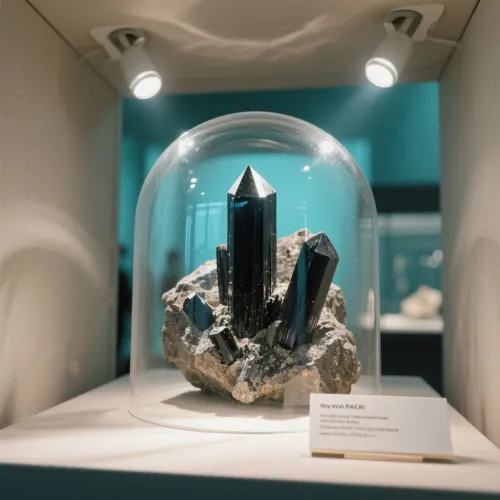
Personal experiences often correlate with observable reactions like temperature shifts or visible texture changes, not invisible energy fields—watch these for informed usage.
Since individual responses vary, physical cues help gauge your stone’s traits. Hold specimens during calm vs. stressful moments and note warming rates—denser pieces react slower. Inspect raw samples under bright light: authentic stones show uneven matte/shiny zones due to unpolished ridges.
Compare these indicators after wearing or placing tourmaline for several days:
Where and how you position tourmaline impacts usability; practical approaches emphasize environment over ritual, like using palm-sized clusters in workspaces rather than mystical grids.
Avoid water exposure—iron content might degrade surfaces if submerged. For home placement, position specimens where environmental stressors peak: near electronics, high-traffic entries, or bedroom corners associated with restless sleep. Jewelry wearers note the wrist, neck, or pocket placement offers tactile grounding during triggers like commutes. Usage tip: Pair it with neutral décor since its matte texture blends well. Track your observations weekly—if no personal benefit surfaces after consistent 30-day use, explore alternatives like smokey quartz.
Black tourmaline stands apart from obsidian or hematite through its crystalline structure and weight, making identification critical before purchase for intended applications.
Obsidian (volcanic glass) often feels cooler and lighter with glassier fractures, lacking schorl’s striated ridges and density advantages for jewelry. Fine-tipped formations distinguish tourmaline from jet’s opaque uniformity—a difference visible when backlit. Basalt lacks tourmaline’s conductivity traits useful during meditation. Practical test: Place potential stones atop a textbook page; blurred text indicates resin treatments common in fake crystals, whereas authentic schorl keeps print crisp due to high clarity.
Focus less on folklore and more on three core questions: How does its physical weight feel in your hand? Where might its presence shift environmental focus? How does daily interaction align with your stress patterns?
Select stones by personal resonance, not theoretical promises. Handle multiple specimens—Brazilian pieces typically show defined ridges for crystal enthusiasts, while smoother variants suit pocket carry. Notice how placement near screens or sleep areas correlates with your stress perception over weeks. Ultimately, no mineral guarantees outcomes, but mindful observation clarifies what works for your context.
Q: Can black tourmaline interact with electromagnetic fields?
A: While lacking scientific proof, some users report reduced tension around electronics due to its pyroelectric nature. Note this as personal perception, not measurable protection.
Q: Does color depth influence how it’s used?
A: Deeper hues tend to feel denser and heat slower, which may extend perceived grounding effects. Lighter stones display subtle undertones when carved.
Q: How often should I re-tune tourmaline?
A: Cleanse surface dust monthly using dry cloths or brief sunlight exposure—saltwater risks damaging its structure.
Q: Raw or polished material: what’s different?
A: Preservationists prefer raw tips for unaltered ridges. Carved forms endure better in jewelry. Application determines preference.
Q: Notable signs of synthetic tourmaline?
A: Watch for perfectly even luster without striations and unusually lightweight material inconsistent with density expectations.


$
