Black tourmaline (schorl) typically ranges from $5–50 per carat for gem-quality pieces, while rough specimens sell for $1–15 per ounce. Prices fluctuate based on clarity, structure, origin, and whether it's intended for jewelry or crystal use, with Brazilian sources generally more affordable than rare Afghan prismatic crystals.
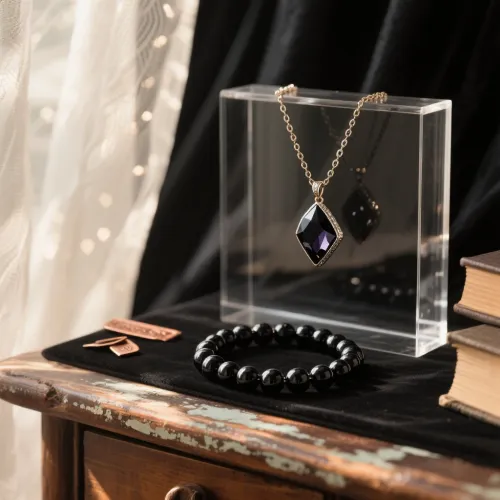
You’re browsing gem websites or holding a jet-black stone from a local shop when price tags make you pause: $8 for a palm-sized rough chunk, $150 for a polished gemstone pendant. Why the wild difference? When curiosity strikes about black tourmaline’s worth, you likely have follow-up questions too—about authenticity red flags, why some pieces command premiums, or whether that Instagram-famous crystal cluster is fairly priced. We’ll break down everything from geological value drivers to spotting quality cues before you spend.
1. What’s the typical price range for different forms?
2. Which factors create major cost differences?
3. How can you verify authenticity without tools?
4. Why do locations like Brazil vs Afghanistan affect value?
5. How does usage for jewelry versus specimens change pricing?
Expect carat-based costs between $5 and $50 for jewelry-grade pieces, though raw objects priced by bulk offer better entry points at $1–15 per ounce. Pricing diverges early based on purpose: lapidary artists pay per weight for cutting potential, while metaphysical sellers often charge by cluster dimensions.
The abundance of schorl (black tourmaline) historically positions it lower than colored varieties. Key distinctions emerge between grades: industrial fragments lacking crystal structure cost pennies, whereas transparent cabochon gems occupy the top tier because they require skilled cutting. Market-wise, gem dealers sell exclusively by carat, so encountering size listings without weight may hint at low density—a sign to request measurements.
Five factors dominate: structural integrity, origin documentation, clarity consistency, cutting quality, and natural matrix preservation. Tiny variations in these can create 200–400% price differences even among visually similar pieces.
Brazil dominates global supply with accessible pricing around $10–30/carat, while collector-targeted Afghan pieces command up to $50/carat for rare prismatic formations. Needle inclusions usually decrease value by reducing translucency—except when creating cat's-eye effects requiring precise orientation. Darker stones don’t guarantee higher quality either; luster uniformity under angled light proves more vital. Untreated stones should show predictable characteristics, as suspicious color shifts may indicate iron-coated quartz substitutes—a key reason thermal tests (genuine tourmaline stays cool longer) aid evaluation.
Authentic pieces demonstrate parallel striations under magnification, consistent density for their size, and minimal light penetration except in thin sections. Suspect resin composites if surfaces warm quickly or show unnatural rainbows without chatoyancy.
Assessing legitimacy involves both observation and interaction:
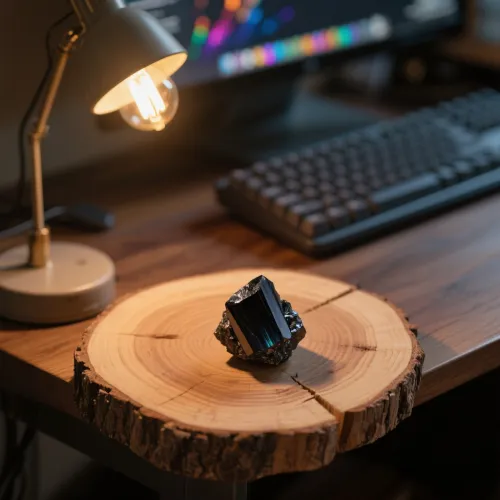
Market shifts complicate matters too. Synthetic substitutes with perfect clarity exist, though current economic viability leans toward natural sources. Rough identification becomes critical between Brazilian vs Nigerian material where miners impose location premiums as collectibility markers despite identical composition.
Brazil accounts for approximately 75% of stones entering commercial markets, stabilizing baseline pricing around $3–40 per ounce—translating to about $12/carat after cutting and certification. Afghanistan’s rarer deposits command 15–25% premiums.
Supply-chain variables affect local pricing significantly due to quarry tiers: major cooperative mines offer standardized grading, whereas artisanal diggers sell matrix-embedded specimens at dramatic variances. Noting recovery locations helps contextualize premium claims—though certificates validating origin matter most beyond $20/carat pieces. Unlike gem markets valuing vacuum-clean clarity, crystal markets sometimes prize unusual matrix configurations like quartz veining or biotite inclusions which allow sellers to justify $15 premiums over comparable plain specimens.
Jewelry commands higher per-unit pricing ($20–50/carat when set) due to cutting complexities rather than intrinsic mineral worth. Raw metaphysical objects leverage size aesthetics where one six-inch standalone crystal may cost $45 despite containing under $10 of material.
Cutting labor explains much of this divergence. Transforming raw chunks into calibrated beads/cabochons wastes 40–60% of material plus requires artisan hours, embedding costs into finished pieces. Collector specimens priced based on visual impact often carry unique value markers—like terminated points maintaining natural geometry or association with promotion of well-known mines or metaphysical significance. Weight measurements get prioritized universally, though some metaphysical retailers circumvent carat pricing by grouping specimens into “small/medium/large” bins costing $7–25 regardless of precise mass potentially undermining fair market practices.
Recut flawed-but-intact cores if you're pursuing jewelry designs—it saves money long-term. Always compare weight measurements (not dimensions) between sellers, since tourmaline density benchmarks expose low-quality substitutions. Where possible, photograph stones against scales before cleaning or altering surfaces; visual documentation prevents authentication disputes later and ensures the piece retains its valuation.
Q: Does polished tourmaline cost more than raw pieces?
A: Generally yes, because cutting accounts for material waste and labor—polished stones target jewelry buyers rather than bulk crystal collectors.
Q: Can industrial-grade tourmaline work in jewelry?
A: Possibly, though lower clarity/structural flaws may affect durability and resale expectations compared to designated lapidary-grade material.
Q: Why do some pieces have rainbow sheens?
A: Surface-level fractures catching light may create iridescence; unless indicators of fine fibrous rutilation generating technical cat's-eye phenomena, this doesn't increase market value.
Q: How much does origin like Nigeria vs Brazil influence price?
A: Collector markets impose markup based on location rarity; for standard specimens the impact stays minor unless certificated origin accompanies premium claims.
Q: Is metaphysical-grade black tourmaline pricier than lapidary quality?
A: Not inherently; metaphysical pieces prioritize size and form over light performance, allowing sellers to offer bulkier specimens at similar costs to smaller gem cuts.


$
