Wear black tourmaline jewelry like rings, bracelets, or pendants in direct skin contact for consistent protective effects; select pieces with settings ensuring stone stability, prioritize natural specimens verified through weight or luster tests, and rotate styles based on daily needs for practical functionality.
You’re browsing a crystal shop or scrolling through jewelry sites when a deep black stone catches your eye—labeled "black tourmaline, the ultimate protection crystal." Suddenly, practical questions flood your mind: How does it actually work? Will that chunky ring snag your sweaters? Can you sleep with it on? This guide tackles those exact uncertainties, drawing from geology and jewelry design principles to separate wearable realities from hype. We’ll walk through choosing pieces you’ll genuinely use daily, spot telltale signs your stone is genuine, and adapt wearing styles to different lifestyles. Whether you’re new to crystals or refining your routine, you’ll find actionable insights here.
1. How to select and position tourmaline jewelry for daily wear
2. The science behind claimed protective mechanisms
3. How ring, pendant, and bracelet designs impact practicality
4. Detecting authentic stones versus composites or fakes
5. Historical uses across cultures and modern interpretations
6. Maintaining pieces for long-term durability
Choose placement and style based on routine activities for consistent contact without inconvenience. The location matters less than direct skin exposure—options include dominant-hand rings for frequent interaction, pendants under shirts during commutes, or bracelets during work tasks. Tourmaline ranks 7-7.5 on the Mohs scale, resisting scratches but vulnerable to hard impacts against quartz or granite surfaces. Heavy tumbled pieces may pull on chains during movement; balance them with shorter necklaces or bezel settings for stability when active.
Evaluate these points before committing to a wearing routine:
Crystal enthusiasts claim black tourmaline creates an energetic shield, though scientifically, its effects relate to pyroelectric properties under thermal stress. When worn, mineral composition (iron-silicate-boron) may develop temporary micro-charges through friction against skin or fabric. While not blocking electromagnetic waves, some report reduced static cling—possibly explaining "protection" associations. Results vary: Office workers near electronics rarely note changes, while wearers in chaotic environments describe subjective calmness. These experiences appear inconsistent but may relate to placebo or tactile focus.
Thicker pendants offer surface visibility but dig during desk work, while slim rings with low-profile bezels become “invisible” after adaptation. Copper settings often cause green skin reactions after prolonged sweat exposure—sterling silver avoids this but tarnishes faster. Consider these comparisons:
Lighter pieces under 20 grams prove ideal for continuous wear. Test weight by swinging your arm—if jewelry noticeably swings sideways or shifts during movement, opt for shorter chains or band adjusters.
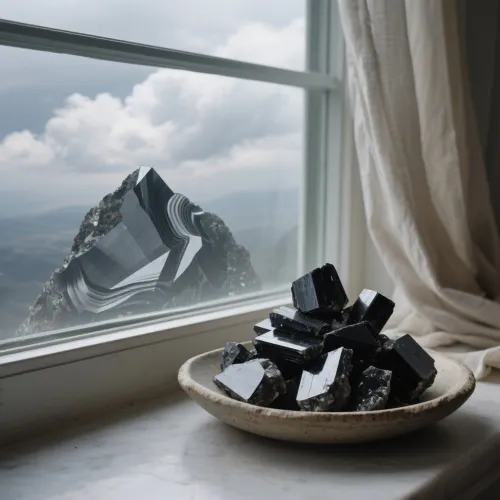
Authentic black tourmaline exhibits unique textures and physical properties distinguishing it from dyed howlite or glass copies. Genuine stones register between 3.0–3.2 on the specific gravity scale, feeling distinctly heavier than synthetic counterparts when compared side-by-side. Surface luster presents subtly matte rather than plastic-level shininess under direct light—an effect you can verify against smartphone photos that enhance artificial gloss.
Perform during purchase using basic tools:
Demand gem certificates when investing in high-cost custom pieces. Documentation should confirm origin and highlight enhancements like irradiation—common treatments impacting long-term upkeep needs.
Historically, Afghan communities carved tourmalines into protective amulets against "evil winds," while Victorian jewelers set faceted stones in mourning pieces. Modern usage borrows rather than replicates—today’s pendants substitute intricate metalwork symbols with unpolished stones for casual aesthetics. Minimal science validates specific bodily placements, though many practitioners default to left-arm bracelets mimicking historical shield positions. Cultural resonance depends on personal connection rather than proven tradition—what matters is finding placement aligning with individual practicality.
Prolonged shower exposure degrades silk knots in beaded designs and risks stone glue dissolution—remove pieces before water activities. Clean gently using soft brushes dipped in diluted dish soap monthly; ultrasonic cleaners may fracture stones with inclusions. Store separately from harder gems like diamonds preventing surface abrasions. Over decades, direct sun exposure may subtly fade deep black hues to dark brown—rotate pieces stored near windows to distribute effects equally if preserving original color matters.
Remember these fundamentals: Prioritize full-bezel settings during high-movement routines to prevent stone dislodgment. Verify authenticity through weight comparisons—real tourmaline surprises many first-time holders with its dense feel. Assess metal allergy risks early, leaning toward sterling silver if uncertain. Most vital—wear pieces 1-2 weeks before judging comfort. If jewelry consistently snags or distracts you, its “protective” role becomes counterproductive. Functionality trumps folklore when making daily wear sustainable.
Q: How does tourmaline pronunciation work?
A: Say “TOOR-muh-leen” in English for general jewelry contexts.
Q: Showers damaging tourmaline jewelry?
A: Repeated immersion may weaken settings over time—remove pieces before bathing when possible.
Q: Combinations amplifying tourmaline effects?
A: This is purely speculative but many prefer pairing with grounding stones like jasper or hematite.
Q: Authentic stones changing color?
A: Natural specimens may show slight fade from years of UV exposure; sudden shifts suggest artificial treatments.
Q: Safe to wear constantly?
A: Dermatologically yes—discontinue if skin irritation develops.


$
