Yes, you can safely wear black tourmaline and clear quartz together in jewelry. Their similar hardness levels (7-7.5 for tourmaline and 7 for quartz on the Mohs scale) mean they're unlikely to scratch each other during typical wear. For best results, choose protective settings like bezels or rounded beads to minimize impact risks.
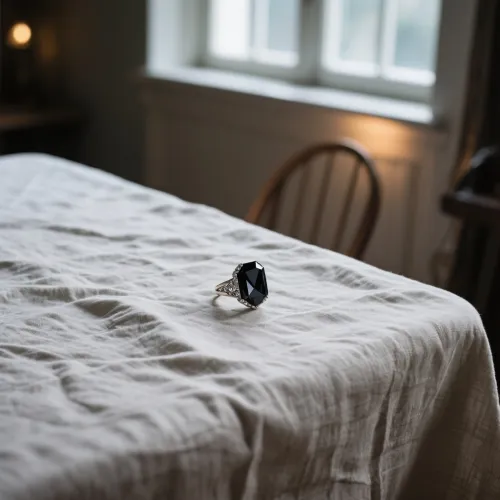
You're probably considering pairing these stones after seeing them in layered necklaces or stacked rings. Maybe you wondered: "Will these look clumsy together?" or "Could quartz clash with tourmaline's protective vibe?" Beyond physical compatibility, you might also wrestle with how to verify genuine stones or whether the combination suits office attire. We'll cover these real-world considerations – from scratch tests to style balancing – to help you decide confidently.
1. What physical properties make them safe to wear together?
2. How do traditional interpretations influence pairing decisions?
3. What styling techniques create visual harmony?
4. Which situations call for careful wear considerations?
5. How can you verify stone authenticity before combining?
6. Should crystals touch directly or need separators?
7. What maintenance techniques preserve both materials?
Their similar composition minimizes physical conflict during simultaneous wear. Both minerals rate closely on the Mohs hardness scale (quartz at 7, tourmaline at 7-7.5), meaning neither typically scratches the other with normal friction. Quartz's trigonal crystal structure creates exceptional shatter resistance, while tourmaline's hexagonal form can better distribute minor impacts across jewelry bands or pendants.
The cleavage difference shows why tourmaline may display slight vulnerability despite its hardness score. While quartz lacks significant cleavage planes, quality tourmaline can develop microscopic internal flaws during formation. Low-friction jewelry designs mitigate this – consider bezel-set pendants over daily stacking rings in active environments. With regular bumps against tabletops or keyboards, well-finished bead shapes tend to show less wear than sharp angular cuts.
After regular use, look for these indicators of compatibility:
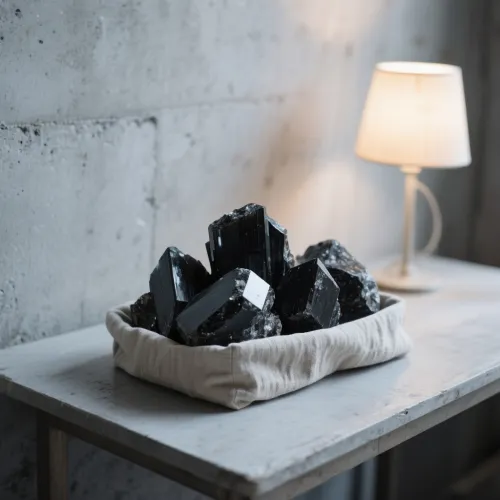
Some individuals blend them for perceived complementary properties within traditional practices. Such frameworks might describe quartz as having an amplifying quality and tourmaline as supporting stability or protection. However – and this matters – there's no scientific evidence supporting these interpretations. Their pairing choices stem from symbolic systems developed over centuries.
You'll encounter various viewpoints: Some practitioners rotate use times (quartz during creative hours, tourmaline in high-stress situations), while others prefer constant pairing. If considering this angle, recognize that traditions vary regionally and personally. What remains consistent: these materials hold significance across cultures, whether for decoration or personal ritual, and combining them carries meaningful heritage.
Black tourmaline creates grounded contrast to clear quartz's brightness, working best with deliberate balancing techniques. Modern jewelry design favors strategic asymmetry: quartz drops beside tourmaline boulders, or mixed stone sizes creating intentional weight distribution. For office settings, petite alternating beads maintain professionalism, while rough stone pendants project more artistic expressions during leisure.
Notice how light interacts differently: tourmaline absorbs light creating depth while quartz refracts it with sparkling clarity. Mixed-metal settings can unify them aesthetically – dark silver oxidization emphasizes tourmaline's richness while polished silver complements quartz's clarity. When planning combinations, photograph samples under varied lighting: fluorescent office environments may flatten quartz's sparkle differently than sunset dining settings.
Daily jewelry wearers should prioritize protection methods during high-impact activities. Although suitable for office and light social environments, both stones may sustain damage from vigorous exercise or construction work. Tourmaline's potential color dimming issues mean sunlight exposure should be minimized during vacations or poolside wear; consider ultraviolet-resistant storage options.
Chemical sensitivity matters too. Personal care products containing alcohol or acetone can dull quartz's clarity over time, while acidic skin chemistry might impact the metallic jewelry settings. If noticing greenish deposits where tourmaline meets silver settings during humid seasons, professional ultrasonic cleaning every few months typically prevents buildup.
Authenticity verification prevents pairing man-made materials with natural crystals. Tourmaline often displays longitudinal striations needing magnification, unlike manufactured counterparts' perfect symmetry. Simple temperature tests help: genuine crystals maintain coolness longer against skin than glass or plastic alternatives when held.
Watch for material inconsistencies: authentic tourmaline commonly contains fluid-filled inclusions absent in synthetic versions, while natural quartz shows crystalline patterns instead of factory-molded perfection. The "ting sound test" proves surprisingly effective: gently tap stones with metal – natural crystals produce distinctive higher-pitched resonance than substitutes. When evaluating combinations, consistent authenticity matters more for durability than metaphysical considerations.
Let practical needs override external pressures when choosing pairing approaches. If frequently using keyboards, try pendant designs avoiding wrist interference instead of stacked rings. Select rounded beads over harsh geometric cuts to reduce chipping risks during active lifestyles. Should design options overwhelm, conduct a daily activity audit – note environments where jewelry gets bumped frequently then prioritize impact-resistant settings.
Authenticity verification deserves priority over mystical considerations: misrepresented materials may compromise physical integrity. Focus less on perceived enhancement claims and more on tactile qualities matching your lifestyle requirements. After purchase, monitor stress points monthly – any discoloration near settings warrants professional inspection regardless of stone meanings.
Q: Can they touch directly or need bead separators?
A: Direct contact causes minimal concern given their hardness similarity, but spacers reduce long-term friction wear in frequently articulated pieces like bracelets.
Q: How to cleanse combination jewelry safely?
A: Brief lukewarm water rinses suffice; avoid saltwater soakings as mineral deposits might accumulate in intricate settings over time.
Q: Difference between tourmaline and obsidian when paired with quartz?
A: Obsidian typically shows conchoidal fractures and volcanic glass shine, unlike tourmaline's crystalline structure; pairing choices may affect visual contrast.
Q: Professional setting appropriateness?
A: Smaller combined stones generally integrate well; limit bold designs to after-hours to maintain workplace professionalism.


$
