Yes, you can physically pair citrine and black tourmaline in jewelry with proper precautions. Both stones have similar hardness ratings on the Mohs scale (citrine at 7 and tourmaline at 7-7.5), reducing scratching risks. However, tourmaline’s brittle structure requires careful setting to prevent chipping against citrine’s facets, and long-term UV exposure may dull citrine’s color without affecting tourmaline.
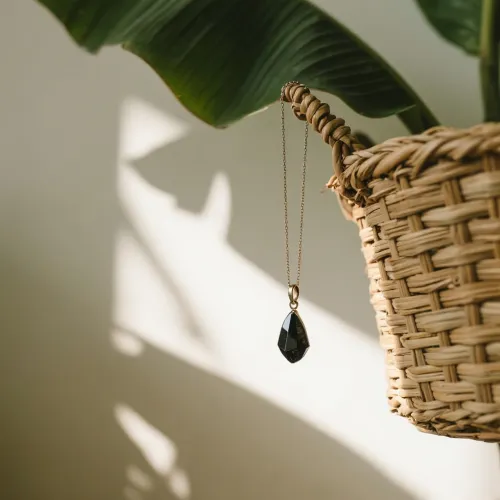
You might be admiring a designer piece combining honey-toned citrine with intense black tourmaline, wondering if these contrasting stones actually work together beyond aesthetics. Or perhaps you're crafting custom jewelry and need real-world insights on durability and practical pairing. Alongside the main compatibility question, jewelry wearers often wonder about daily maintenance realities, visual harmony under different lighting, and how the stones' physical properties interact over years of wear. We'll examine these practical angles across diverse usage scenarios.
1. How do material properties affect pairing durability?
2. What design approaches prevent physical damage?
3. How does lighting environment impact appearance?
4. What maintenance issues emerge in daily use?
5. Can cultural influences inform modern pairings?
This combination performs adequately for office or casual wear but shows subtle wear patterns over time. Surface abrasions tend to develop slower on citrine despite comparable hardness ratings, while tourmaline micro-fractures may appear first near termination points under stress.
Both stones share similar responses to temperature fluctuations, reducing expansion mismatch risks. Yet noticeable thickness variations above 0.5mm can cause uneven pressure distribution on settings during wrist movements. After regular cleaning cycles, temporary cloudiness may appear around the edges – typically indicating minor moisture penetration that clears naturally. For consistent appearance, observe pieces under store lighting conditions to anticipate how indoor environments change color perception over time.
Separate stones with thin metal spacers and prioritize calibrated thicknesses. Design choices become critical for evening wear where visual contrast shines but setting vulnerabilities increase.
Under ballroom spotlights, citrine’s vitreous glow appears more reflective than tourmaline’s resinous finish – a texture gap magnified by clustered settings. Jewelry designers often buffer this contrast using metal beads or textured prongs that redirect attention. You can test aesthetic balance by viewing mockups under mixed lighting: note whether warm artificial bulbs make citrine appear oversaturated against the deep tourmaline backdrop. Faceted cuts near tourmaline’s crystalline ends increase chipping risks during handling, making cabochon or bead forms safer for items frequently removed like cufflinks.

During hiking or travel, protective settings work better than direct-contact designs and minimize impact exposure. Tourmaline’s brittleness causes higher damage risk than citrine in knocks against surfaces.
Opt for bezel or partial-bezel settings rather than prong configurations that expose edges. Notice asymmetrical pressure points around the wrist during repetitive movements – a sign to redistribute stones. For long outdoor exposure, remember UV rays may gradually fade citrine’s vibrancy after several seasons though tourmaline remains unaffected. During cleaning on trips, stick to soft cloths instead of liquids to bypass potential micro-fracture penetration issues detected through temporary cloudiness.
Traditional citrine symbolism connected to sunlight and harvest hues contrasts with tourmaline’s use in protective artifacts, revealing opportunities for thematic modern pairings.
In historical European jewelry, citrine featured in prosperity motifs during daytime events while tourmaline appeared in evening mourning pieces – a contrast modern designers invert for intentional duality. Some Vedic traditions incorporated citrine’s golden shades with darker protective stones, but always avoiding direct contact where vibrational theories applied. Contemporary approaches repurpose these color meanings through metalwork rather than spiritual claims. For example, matte-finish yellow gold bridges between bright citrine and dark tourmaline while honoring metallurgical traditions without endorsing metaphysical claims.
When combining these stones, remember that matching physical properties matters more than color harmony alone. Prioritize similar material thicknesses and prevent direct facet-to-tourmaline contact points. Before permanent settings, test combinations in realistic lighting conditions to avoid unpleasant visual surprises during wear. Choose jewelry forms that suit your regular activities – beads for high-impact use and faceted pieces for special occasions. Ultimately, select pairings that align with your practical needs rather than trends.
Q: Can citrine touch black tourmaline directly in jewelry?
A: Direct contact requires careful planning. Abrasion patterns tend to develop faster on tourmaline against citrine’s facets. Micro-chipping risks increase where fragile tourmaline terminations meet angular citrine edges.
Q: Does citrine or tourmaline wear faster on daily jewelry?
A: Tourmaline generally shows surface wear earlier due to resinous luster showing micro-scratches visibly. However, citrine may lose vibrancy faster under constant UV exposure while tourmaline retains opacity.
Q: Why does my tourmaline look different next to citrine?
A: Under various lights, tourmaline can reflect secondary green hues alongside citrine’s yellow tones, creating optical interactions. Observe pieces under both daylight and artificial lighting before setting.


$
